

Table of Contents
Introduction
Your car tyres touch the road – they’re key for staying safe and driving well. Yet when do you actually need new ones? Lots of people aren’t sure, ending up with flat tyres, shaky steering, or slower stops. Here’s a clear breakdown on timing, warning clues, reasons behind wear, plus smart care tips to make them last longer.
Recommended Tyre Replacement Interval
Most specialists say swap your car’s tyres around 40,000 to 60,000 km or within 4 to 6 years – whichever happens earlier. Still, that’s just a rough estimate. How fast you actually need new ones relies on how you drive, what roads you use, the rubber brand, along with how well you care for them.
In places like the Middle East, high temperatures speed up tyre deterioration – so swapping them out might come quicker. Driving often on bumpy surfaces, sitting in constant stop-and-go jams, or speeding sharply can show wear signs way ahead of schedule.
Key Signs Your Tyres Need Replacing
If your tyres aren’t old or worn out yet, they might still have to go. Check these key signs:
Low Tyre Tread Depth
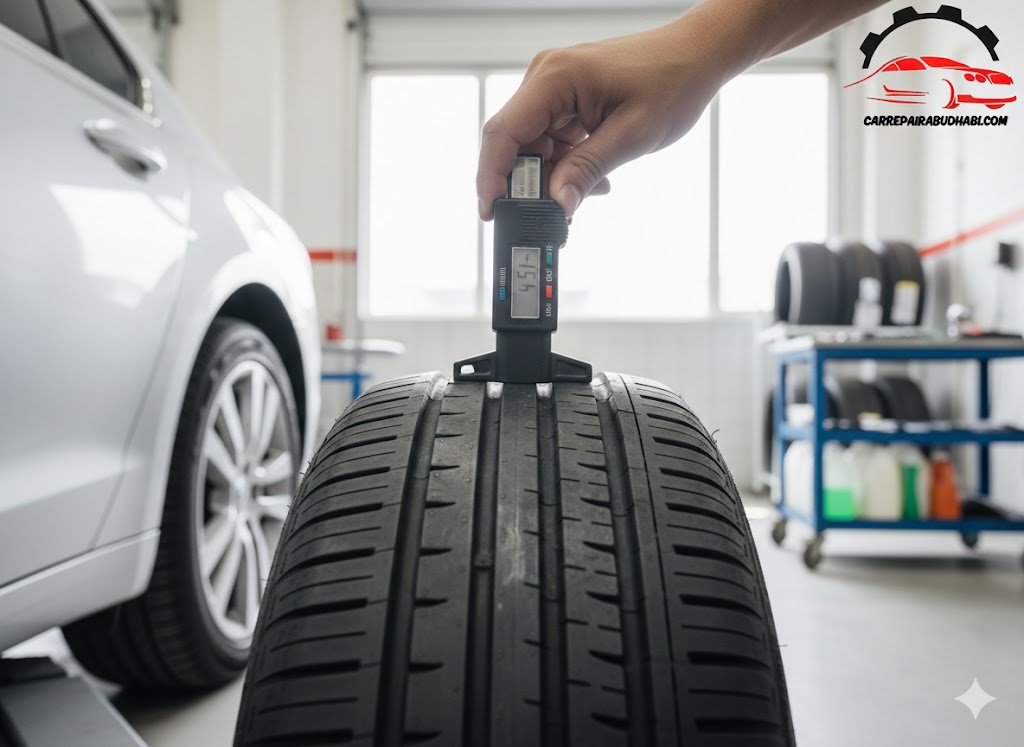
- Tread depth changes how well your tyres work, also their stopping power. In many places the law says 1.6 mm is enough; still, pros recommend new tyres by 3 mm to keep traction strong when roads are wet.
- See how worn your tires are by checking the grooves
- A tread depth gauge
- The built-in markers show tire wear
- If the markers sit even with the surface, it’s time to swap out your tires right away.
Uneven Tyre Wear
- One reason tyres wear unevenly? Bad alignment – also, skipping rotations might do it. Spot something off? Could be wrong air pressure instead
- On one side, folks move quicker
- Cupping or scalloping
- Bald patches
Visible Tyre Damage
- Tyre damage can be really risky – don’t ever skip checking it. Swap out the tyre when spotting:
- Cuts or cracks
- Bulges or bubbles
- Exposed steel belts
- Deep punctures
- A bump or swelling often signals hidden damage inside, so it might burst without warning.
Vibrations While Driving
Odd shaking – mostly when going fast – could mean your tyre’s got problems like layers splitting inside, wall harm, or bad patchy wear. When wobbling stays despite balancing tries, swap the rubber right away.
Tyre Age Over 6 Years
Even when the tread seems fine, tires slowly weaken from age because of heat plus chemical changes. Old rubber turns stiff, cracks easier, doesn’t grip well – so it’s riskier. Most makers say swap them by year six, definitely before ten, even if they look okay.
How to Extend Your Tyre Lifespan
Swapping tyres costs a lot, but taking care of them stretches their life. Try these key tips instead:
Regular Tyre Pressure Check:
Low tire pressure makes tires wear out faster, uses more gas, also creates extra heat. Test the air levels every couple weeks or prior to big drives.
Scheduled Tyre Rotation:
Switch your tyres around every 8,000 to 10,000 kays so they all wear down at the same pace – doing this little thing helps them last way longer.
Wheel Alignment & Balancing:
Good positioning plus balance stops tires from wearing oddly while making steering smoother. Check the setup when your vehicle drifts sideways or right after you smack a hole in the road.
Avoid Overloading:
Extra pounds strain tires, which weakens how well they work. Stick to your car’s suggested weight limit at all times.
Why Timely Tyre Replacement Matters
- Traveling on aged, frayed, or faulty tires raises the risk of:
- Blowouts
- Longer braking distances
- Hydroplaning
- Poor fuel efficiency
- Mix-ups when things go wrong
- Swapping worn-out tires when needed keeps you safe, while also protecting others driving nearby.
Conclusion
Now and then, when’s the right time to swap out your car’s tyres? Though most folks go by 40,000–60,000 km or roughly 4 to 6 years, it really pays to check them often for cracks, tread loss, or harm. Looking after them well – rotate now and again, pump air properly, align wheels once in a while – helps them last longer while keeping rides smooth and secure.